
Introduction
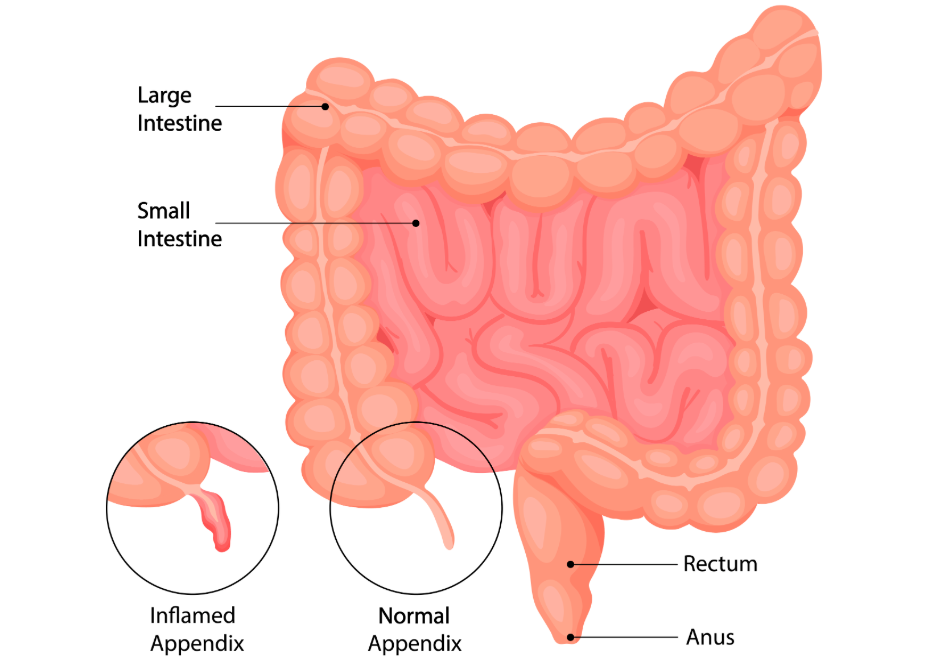
Appendicitis is a sudden swelling of the appendix, a small pouch in your lower right belly. Often, this condition causes sharp stomach pain that can quickly turn into a surgical emergency. If not treated, appendicitis can become life-threatening. Therefore, it is important to know the warning signs. Dr. Aamir, a trusted General Surgeon, shares expert advice on how to recognize appendicitis and when to seek help.
What is Appendicitis?
Appendicitis happens when the appendix gets blocked and inflamed. This blockage can cause pain, swelling, and infection. If the appendix bursts, it can spread infection throughout the belly. Because of this, appendicitis is always considered a medical emergency. Quick treatment is key to a safe recovery.
Common Symptoms of Appendicitis
Recognizing acute appendicitis symptoms early can save lives. While symptoms may vary, most people notice:
However, not everyone has all these signs. For example, children and older adults may show different symptoms. If you notice these signs, seek medical help right away.
Causes and Risk Factors
Usually, appendicitis starts when something blocks the opening of the appendix. This blockage can be caused by:
Anyone can get appendicitis, but it is most common in people between 10 and 30 years old. Family history and certain infections may also raise your risk.
How is Appendicitis Diagnosed?
Doctors use several steps to diagnose appendicitis. First, they ask about your symptoms and check your belly for pain. Next, they may order tests such as:
Because appendicitis can look like other illnesses, these tests help doctors make the right diagnosis. Early diagnosis is important for safe treatment.
Treatment Options for Appendicitis
For most people, emergency surgery for appendicitis is needed. The main treatment is removing the appendix, called an appendectomy. Doctors may use open surgery or a less invasive method called laparoscopy. Sometimes, if the appendix has not burst, antibiotics may be tried first. However, surgery is often the safest choice. After surgery, most people recover quickly with proper care.
When Does Stomach Pain Become a Surgical Emergency?
Not all stomach pain means appendicitis. However, if you have pain that:
Then, you should seek emergency care. Delaying treatment can lead to a burst appendix, which is very dangerous. Therefore, it is always better to be safe and get checked by a doctor.
Prevention and Lifestyle Tips
There is no sure way to prevent appendicitis. Still, some healthy habits may help lower your risk. For example:
While these steps may help, appendicitis can still happen to anyone. So, knowing the signs is most important.
Why Consult Dr. Aamir (General Surgeon)?
If you are searching for a “general surgeon near me,” Dr. Aamir is a trusted expert in treating appendicitis. He has years of experience in emergency surgery for appendicitis and patient care. With his guidance, you can get fast diagnosis and safe treatment. Moreover, Dr. Aamir explains every step in simple terms, so you feel comfortable and informed.
Conclusion
In summary, appendicitis is a serious condition that needs quick action. If you notice symptoms like sudden stomach pain, do not wait. Consult Dr. Aamir (General Surgeon) or your healthcare provider right away. Early treatment can save lives and prevent complications. Your health and safety always come first.