Introduction to Cleft Lip & Palate
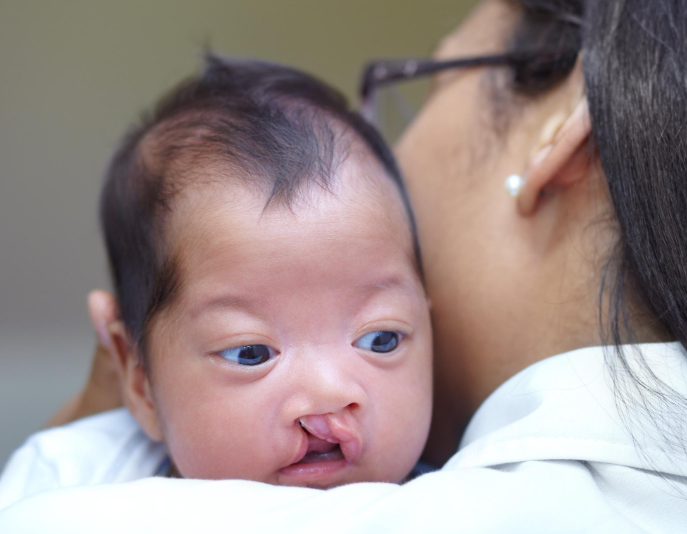
Cleft lip and palate are birth differences that affect the mouth and upper lip. In simple terms, a cleft is a gap or opening. This gap can appear in the upper lip, the roof of the mouth, or both. Because these conditions can affect eating, speaking, and appearance, many families seek help early. Thankfully, cleft lip and palate surgery offers hope for a new beginning. With modern plastic surgery, children and adults can lead healthy, confident lives.
Symptoms and Diagnosis
Usually, a cleft lip or palate is easy to see at birth. However, sometimes a cleft palate is hidden inside the mouth. Common signs include:
Doctors often diagnose cleft lip and palate soon after birth. In some cases, ultrasound scans during pregnancy can detect these conditions. Early diagnosis helps families plan for treatment and support.
Causes and Risk Factors
Cleft lip and palate happen when the tissues of the lip or mouth do not join together during early pregnancy. While the exact cause is not always clear, several factors may increase risk. For example:
Although these factors can raise the risk, many children with cleft lip or palate have no known cause. According to the CDC, about 1 in 1,600 babies is born with cleft lip and palate in the United States each year.
Overview of Cleft Lip & Palate Surgery
Cleft lip and palate surgery is a special type of plastic surgery. The main goal is to close the gap and restore normal function. Usually, doctors perform the first surgery within the first year of life. However, some children may need more than one surgery as they grow. The steps often include:
Because each child is unique, the treatment plan may vary. Modern techniques make these surgeries safer and more effective than ever before.
Benefits of Surgery: A New Beginning
After surgery, children can eat, speak, and smile more easily. In fact, many children go on to live full, active lives. Key benefits include:
With early treatment, children can reach their full potential. Families often feel relief and hope after seeing their child’s progress.
The Role of Plastic Surgery and Dr. Sanjiv Bhatia
Plastic surgery for cleft lip and palate requires skill and experience. Dr. Sanjiv Bhatia is a leading plastic surgeon who specializes in cleft surgery. Because of his expertise, many families trust him for their child’s care. Dr. Bhatia uses advanced techniques to achieve natural-looking results. He also works closely with speech therapists, dentists, and other experts. This team approach ensures the best outcome for each patient. If you are looking for “Dr. Sanjiv Bhatia cleft surgery” or “plastic surgery for cleft lip,” you are in safe hands.
Recovery and Aftercare
After cleft lip and palate surgery, proper care is important. Most children recover well with support from their families and doctors. Here are some helpful cleft lip recovery tips:
Because healing takes time, patience is key. With good aftercare, most children heal quickly and return to normal activities.
Prevention and Family Guidance
While not all cases can be prevented, some steps may lower the risk. For example:
Families facing a cleft diagnosis may feel worried. However, support groups and counseling can help. Many organizations offer resources and connect families with others who have similar experiences.
Frequently Asked Questions
Conclusion and Next Steps
Cleft lip and palate surgery gives children a fresh start. With expert care from Dr. Sanjiv Bhatia, families can look forward to brighter futures. If you have questions or need guidance, consult Dr. Sanjiv Bhatia, an experienced plastic surgeon, for personalized advice on cleft lip and palate surgery.