
What Is a Urinary Tract Infection (UTI)?
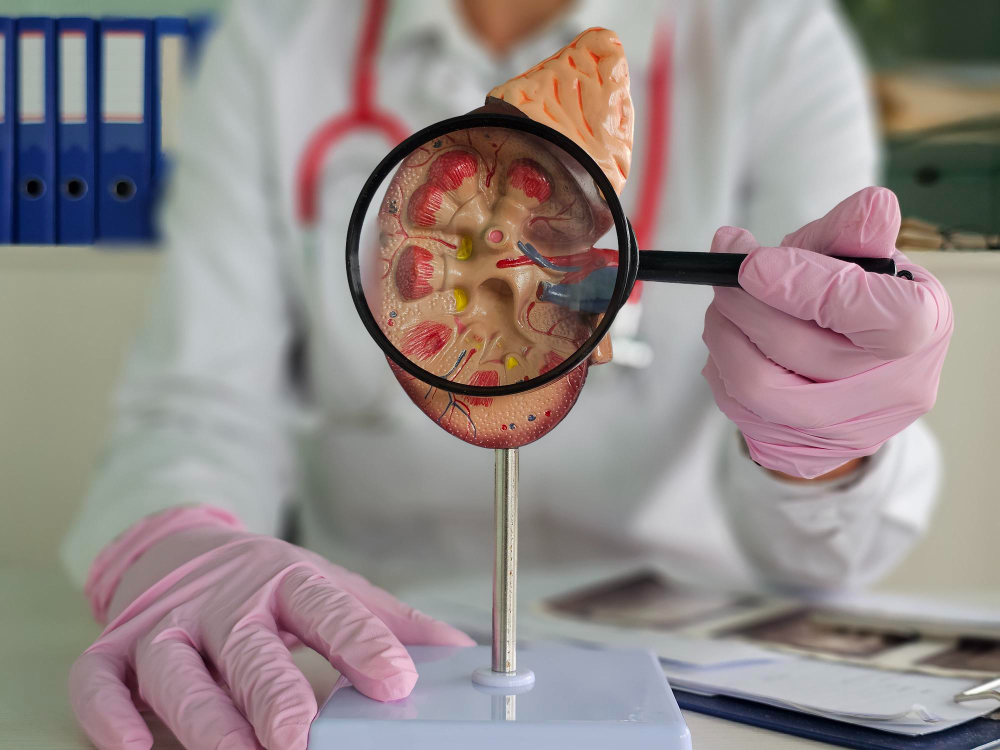
A urinary tract infection, or UTI, is an infection in any part of the urinary system. This system includes the kidneys, bladder, ureters, and urethra. Most often, UTIs affect the bladder and urethra. According to the Centers for Disease Control and Prevention (CDC), UTIs are common, especially in women. However, men and children can also get them. Early recognition of urinary tract infection symptoms can help prevent complications.
Common Symptoms of UTIs
UTIs can cause a range of symptoms. Sometimes, these symptoms are mild. Other times, they can be more severe. For example, you may notice:
Because symptoms can vary, it is important to pay attention to any changes in your urinary habits.
Causes and Risk Factors
UTIs happen when bacteria enter the urinary tract. Most often, the bacteria come from the digestive tract. For instance, Escherichia coli (E. coli) is a common cause. Several factors can increase your risk:
Additionally, people with diabetes or those who use catheters may have a higher risk.
How UTIs Are Diagnosed
Doctors use several methods to diagnose a urinary tract infection. First, they ask about your symptoms. Next, they may request a urine sample. The sample is tested for bacteria, blood, or pus. Sometimes, further tests like an ultrasound or a special X-ray are needed. These help check for blockages or other problems. Quick and accurate UTI diagnosis and treatment are important to prevent complications.
When to See a Uro Surgeon
While many UTIs can be treated by a general doctor, there are times when you should see a uro surgeon. For example, you may need a specialist if:
In these cases, a uro surgeon can offer advanced care and guidance. Searching for a “uro surgeon near me” can help you find local experts.
The Role of Uro Surgery in UTI Management
Sometimes, UTIs are linked to structural problems in the urinary tract. In such cases, surgery may be needed. For instance, a uro surgeon can help remove kidney stones or correct blockages. Additionally, they may treat problems like strictures, which are narrow areas in the urinary tract. Surgery is usually considered when other treatments do not work. However, most people do not need surgery for a simple UTI.
Why Consult Dr. Ratnesh Pawar (Uro Surgeon)
Dr. Ratnesh Pawar is a trusted UTI specialist with experience in uro surgery. Patients choose Dr. Pawar for his skill in diagnosing and treating complex urinary tract infections. Moreover, he uses the latest techniques for safe and effective care. If you have ongoing symptoms or need expert advice, Dr. Ratnesh Pawar can help you understand your options. Many people in the area rely on his expertise for UTI diagnosis and treatment.
Tips for UTI Prevention and Healthy Urinary Habits
Although UTIs are common, you can take steps to lower your risk. For example, try these healthy habits:
By following these tips, you can help keep your urinary tract healthy and reduce your chances of infection.
Consult our expert Dr. Rafat Nizam for personalised care and guidance.