
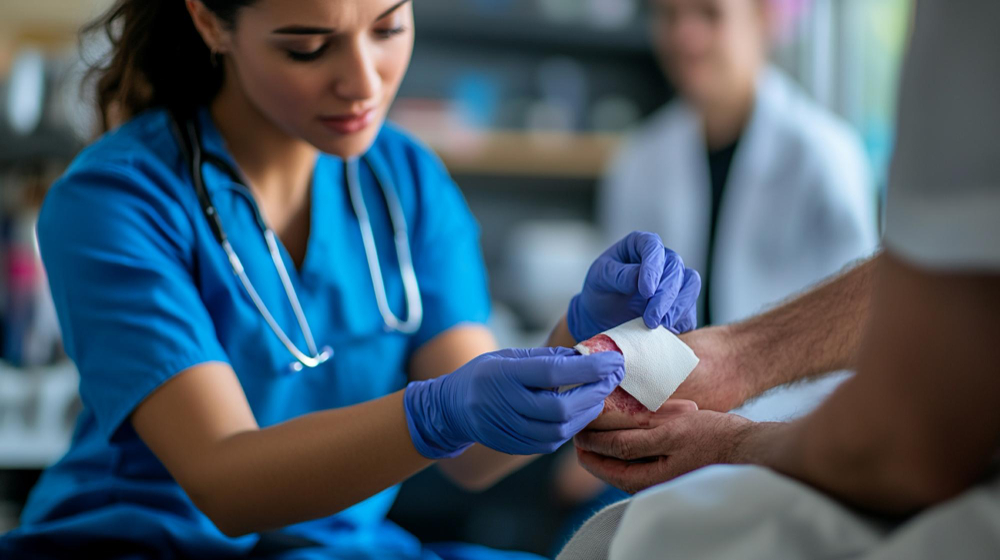
Wound care and reconstructive options in plastic surgery help many people heal and regain function. Dr. Sanjiv Bhatia, a skilled plastic surgeon, offers advanced wound care and reconstructive plastic surgery options in Mumbai. Many patients want to know how wounds heal and what treatments are available. In this blog, you will learn about wound care, types of wounds, and how plastic surgeons help with healing.
What Is Wound Care in Plastic Surgery?
Wound care in plastic surgery means treating injuries to the skin and deeper tissues. Often, these wounds do not heal on their own. Because of this, plastic surgeons use special methods to help the body heal. For example, they may clean the wound, remove dead tissue, or use dressings that protect the area. Sometimes, wounds need surgery to close them or improve their appearance. In addition, advanced wound care uses new tools and medicines to speed up healing.
Common Types of Wounds Treated
Plastic surgeons treat many kinds of wounds. Some are simple, while others are more complex. Below are common types:
Each type may need a different approach. However, all require careful attention to prevent problems.
Causes and Risk Factors for Complex Wounds
Many things can cause wounds to become complex. For instance, poor blood flow can slow healing. Diabetes and other health problems may also increase risks. In addition, infections can make wounds worse. Sometimes, repeated pressure on the skin leads to sores. Age, smoking, and poor nutrition can also slow down healing. Because of these risks, doctors look at each patient’s health before choosing a treatment.
Diagnosis and Assessment Methods
First, doctors check the wound’s size, depth, and location. They also look for signs of infection, such as redness or swelling. Next, they may use tests to check blood flow or nerve function. Sometimes, doctors take a small sample of tissue to look for bacteria. These steps help Dr. Sanjiv Bhatia and his team in Mumbai choose the best wound care plan. Accurate assessment is key for plastic surgery wound healing.
Reconstructive Options: Techniques and Procedures
Plastic surgeons use many reconstructive options to help wounds heal. Some common techniques include:
Because every wound is different, Dr. Sanjiv Bhatia chooses the best method for each patient. These reconstructive plastic surgery options can restore both function and appearance.
Recovery and Aftercare Tips
Proper care after surgery helps wounds heal faster. For example, patients should keep the wound clean and dry. In addition, changing dressings as advised by the doctor is important. Eating healthy foods can also speed up healing. Patients should avoid smoking, as it slows recovery. If pain or redness increases, it is best to inform the doctor right away. Following these tips can improve plastic surgery wound healing.
Preventing Wound Complications
Although most wounds heal well, some may develop problems. To prevent complications:
Because prevention is better than cure, these steps help keep wounds healthy and free from infection.
When to Consult a Plastic Surgeon: Dr. Sanjiv Bhatia’s Approach
Sometimes, wounds do not heal with basic care. In these cases, it is wise to consult Dr. Sanjiv Bhatia, a leading plastic surgeon in Mumbai. He uses advanced wound care and reconstructive options to help patients recover. For example, if a wound is large, deep, or infected, expert help is needed. In addition, people with diabetes or poor circulation should seek care early. Dr. Bhatia’s approach focuses on both healing and restoring appearance. Because of his experience, patients receive the best possible care for their wounds.