
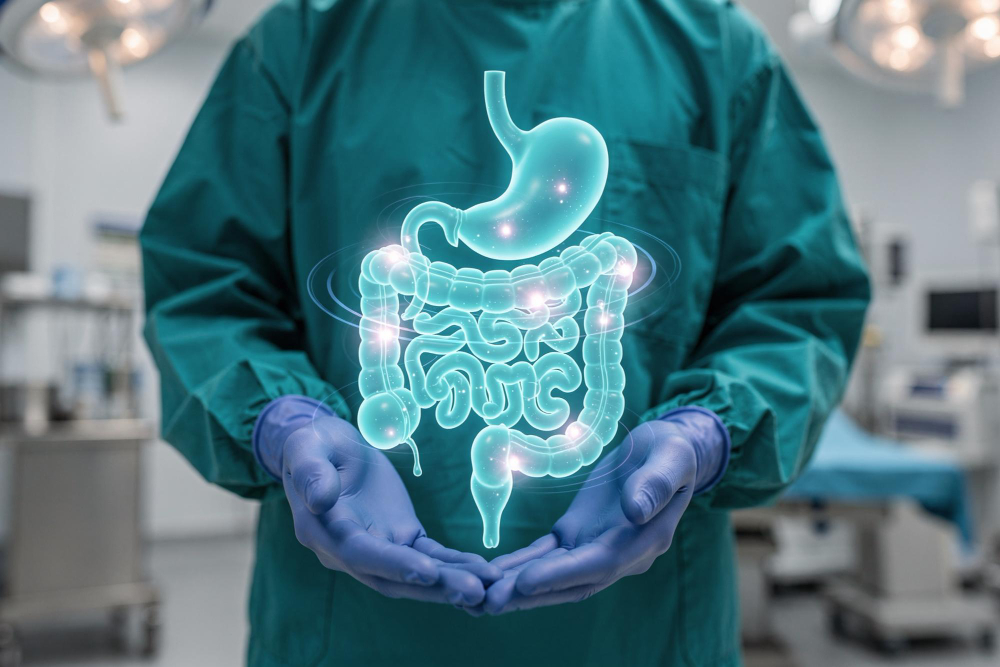
Piles, fissures, and fistula are common problems that affect many people. These conditions can cause pain, discomfort, and bleeding. Early care is important for good gastrointestinal health. For example, an anal fissure is a small tear in the lining of the anus. An anal fistula is a tunnel that forms between the inside of the anus and the skin around it. Piles, also called hemorrhoids, are swollen veins in the lower rectum or anus. Dr. Pratul R. Gupta is known for his expertise in gastro and laparoscopic surgery. He uses the latest treatment for piles and offers minimally invasive surgery for fissures and fistula. Many people look for the best doctor for fistula treatment and advanced gastro and lap surgery in their area.
What Are Piles, Fissures, and Fistula?
First, it helps to know what each condition means. Piles, or hemorrhoids, are swollen blood vessels in the anus or rectum. They may be inside or outside the body. Anal fissures are small cuts or tears in the lining of the anus. These often cause sharp pain during bowel movements. On the other hand, an anal fistula is a small tunnel that connects an infected gland inside the anus to the skin outside. Each condition affects the lower digestive tract but in different ways.
Common Causes of Piles, Fissures, and Fistula
Several factors can lead to these problems. For instance, piles often develop due to:
Meanwhile, anal fissures usually result from passing hard or large stools. Sometimes, repeated diarrhea or inflammation can also cause fissures. Anal fistulas often start with an infection in a small gland inside the anus. If the infection does not heal, it can form a tunnel to the skin. Poor hygiene, Crohn’s disease, or past surgery may increase the risk.
Recognizing Symptoms
It is important to notice symptoms early. Many people experience:
However, symptoms can vary. For example, piles may cause painless bleeding, while fissures often cause sharp pain. Fistulas may lead to ongoing drainage or infection. If you notice these signs, it is wise to seek medical advice.
Diagnosis Methods
Doctors use several ways to diagnose these conditions. First, a physical exam helps check for visible lumps or tears. Sometimes, a gentle finger exam is needed. In some cases, doctors use special tools to look inside the anus and rectum. For fistulas, imaging tests like ultrasound or MRI may help find the tunnel’s path. Early diagnosis can lead to better treatment results. According to the World Health Organization, timely care can prevent complications.
Modern Treatment Options
Today, many safe and effective treatments are available. For mild piles or fissures, doctors may suggest:
However, if these do not help, advanced options are available. The latest treatment for piles includes rubber band ligation, laser therapy, and stapled surgery. Minimally invasive surgery for fissures and fistula is now common. Laparoscopic surgery uses small cuts and a camera to treat the problem. This method often means less pain and faster recovery. Dr. Pratul R. Gupta is skilled in these modern techniques. Many patients choose gastro and lap surgery in their city for better results and fewer side effects.
Lifestyle Tips for Prevention and Recovery
Healthy habits can lower your risk and help you heal. For example, you can:
Additionally, following your doctor’s advice after treatment helps prevent problems from coming back. Small changes can make a big difference in your gastrointestinal health.
When to Consult Dr. Pratul R. Gupta
If you have ongoing pain, bleeding, or swelling near the anus, it is important to see a specialist. Dr. Pratul R. Gupta is known as the best doctor for fistula treatment and advanced gastro and lap surgery. He uses the latest treatment for piles and minimally invasive surgery for fissures. Early care can prevent complications and improve your quality of life. Many people in your area trust Dr. Pratul R. Gupta for expert care in gastrointestinal health.